Weeks of Action "Roots, Identity & Belonging"
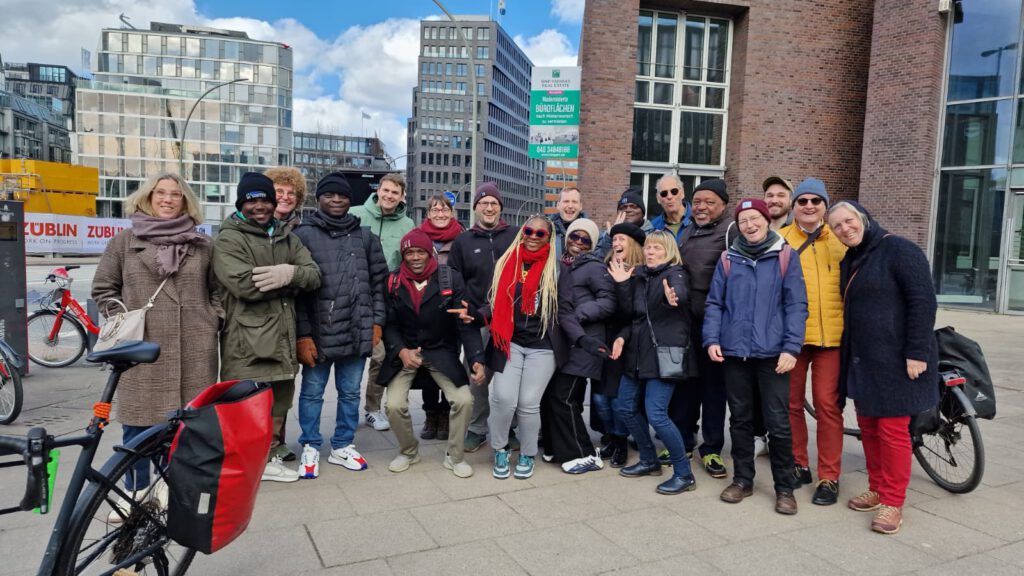
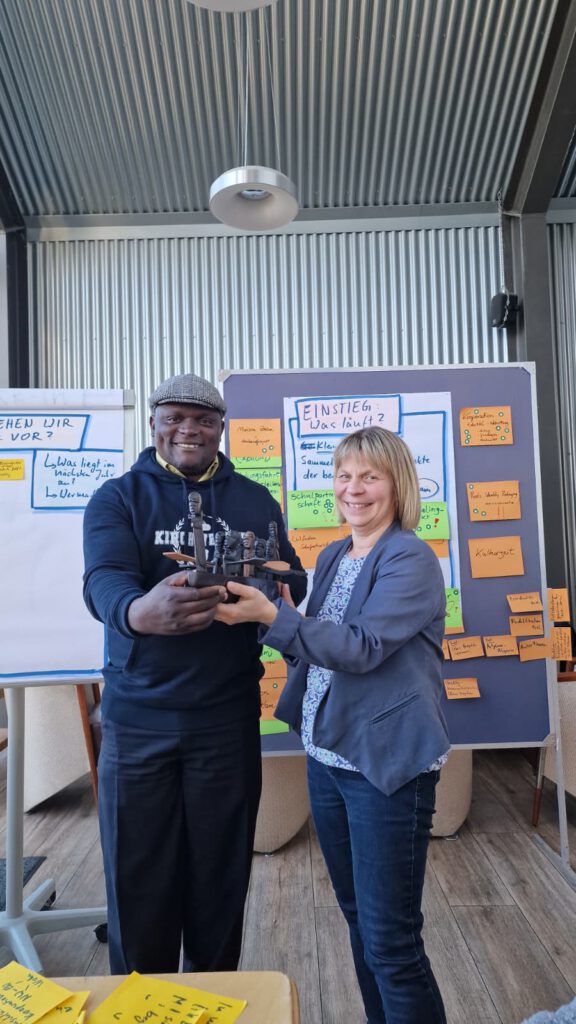
Saturday, 10 April 2026 marked the culmination of a vibrant journey filled with intensive preparations, inspiring encounters, and a new level of collaboration between the leadership teams of EduNeC (Educational Network Cameroon) and NetzWIRkung e.V.. The smiles on everyone’s faces that evening reflected far more than the successful completion of a project—they told a story. A story of two teams that, at first glance, could hardly have been more different: separated by geographical distance, time zones, cultural perspectives, languages, and different ways of working. Throughout the collaboration, however, these differences became valuable opportunities for mutual learning, trust, and shared growth. Over the course of several weeks, this story was shaped through a wide range of activities, encounters, and moments of reflection, all of which gave the project Roots, Identity & Belonging its unique meaning and lasting impact.
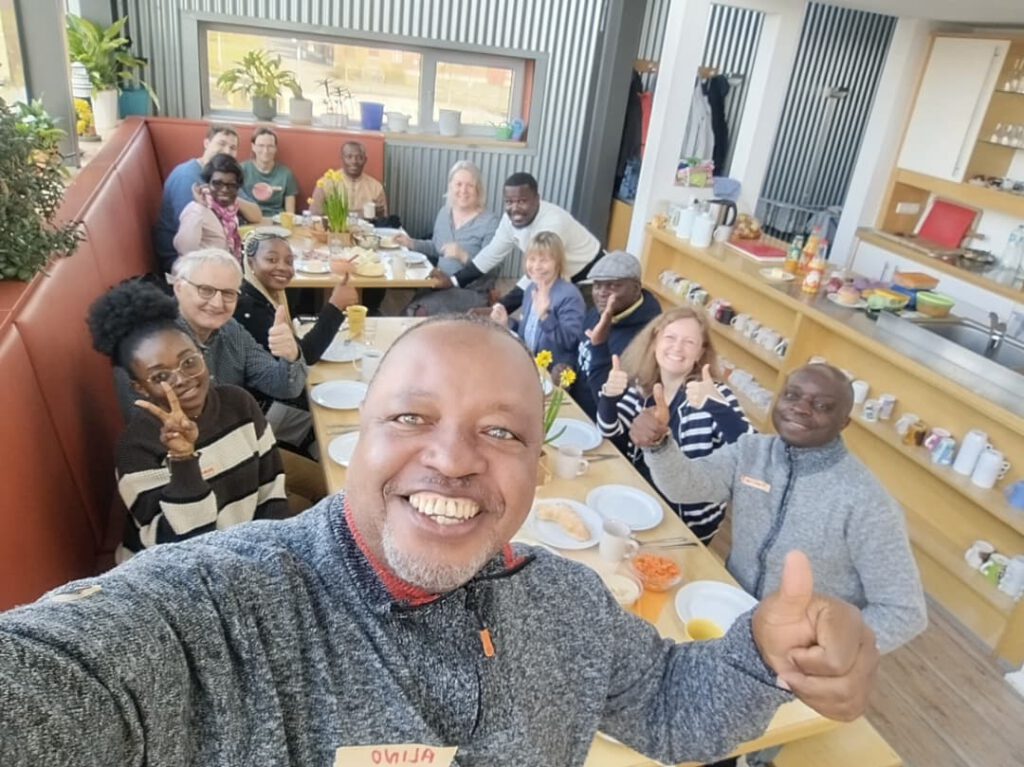
The first ideas and initial concept for the project were already developed in 2024 during a study visit by the board of NetzWIRkung. After months of intensive online preparation, the project finally became a real bridge between continents when a delegation of eight board members from EduNeC travelled from Cameroon to Germany. From 28 March to 12 April 2026, both organisations jointly organised two intensive weeks of activities in Hamburg. Exhibitions, workshops on anti-discriminatory education, teacher training sessions, and conferences created spaces where questions of roots, identity, and belonging were not merely discussed but experienced together. The programme also included colonial city walks, the opening of the exhibition Between Petition and Rebellion at Stadtteilschule Winterhude accompanied by educational workshops offered by Perspektivwechsel e.V., as well as collaborative school projects and teacher training sessions at the secondary schools in Bergstedt and Horn. At the same time, the Action Weeks created numerous opportunities for networking and exchange. Former participants of previous educational exchanges, representatives of school partnerships, and educational practitioners working in the field of counselling came together to share experiences, strengthen existing relationships, and develop new ideas for future cooperation. One of the most emotional highlights was the international student art competition under the theme “Roots, Identity & Belonging”, which had already taken place before the Action Weeks. The resulting artworks were presented in a dedicated exhibition at MARKK – Museum am Rothenbaum. Students from Cameroon and Germany reflected on questions of identity, belonging, and cultural heritage through impressive artistic contributions.
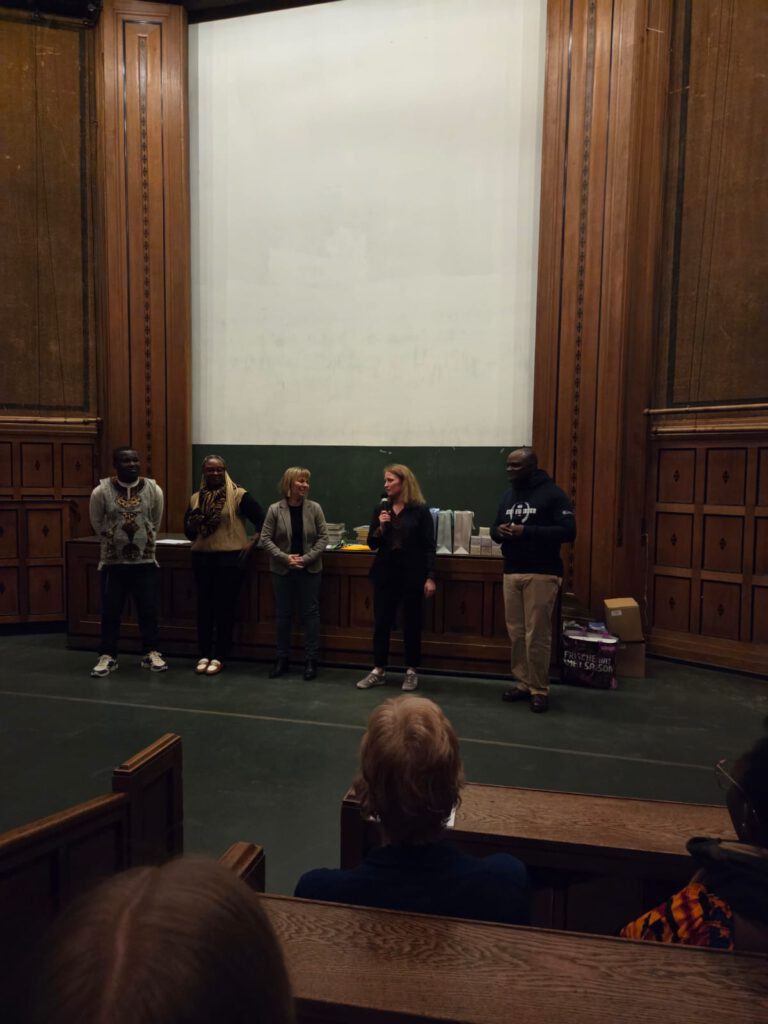
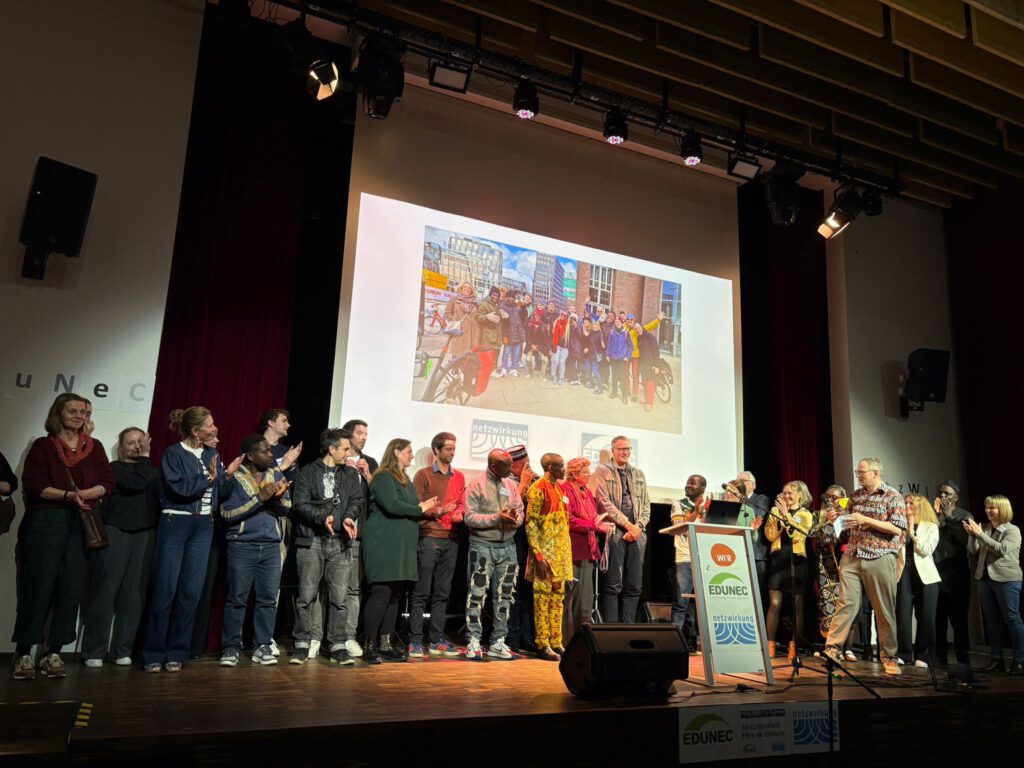
All these experiences culminated in the Gala Evening on 10 April. More than a festive closing event, it offered an opportunity to celebrate the many encounters, achievements, and shared experiences of the previous weeks while highlighting the strength of a partnership that has now existed for more than ten years. Once again, the evening demonstrated what makes the collaboration between Germany and Cameroon—and between EduNeC and NetzWIRkung e.V.—so special: people who consciously choose to learn from one another, build bridges across cultures, and shape the future together. The event was further enriched by the presence of distinguished guests. The renowned author and expert Dr Emilia Roig delivered an inspiring keynote on intersectionality and future perspectives, providing valuable impulses for reflection and discussion. We were also honoured to welcome Dr Jochen Schnack, Advisor for European and International Affairs at Hamburg’s Ministry of School, Family and Vocational Education, together with numerous school principals and educational stakeholders from across Hamburg. Their participation highlighted the significance of international cooperation and provided valuable opportunities for dialogue and networking.
The project “Action Weeks – Roots, Identity & Belonging” once again demonstrated that intercultural cooperation is not only possible—it is transformative. It can be demanding, sometimes challenging, but ultimately deeply rewarding. Every conversation, every Zoom meeting, and every shared experience contributed to creating something that no curriculum alone can teach: the ability to see the world through someone else’s eyes. With the conclusion of this chapter, EduNeC and NetzWIRkung e.V. have shown that two teams from two continents can do far more than simply work together—they can enrich one another. Perhaps that is the most valuable lesson of this entire journey.
On est ensemble!